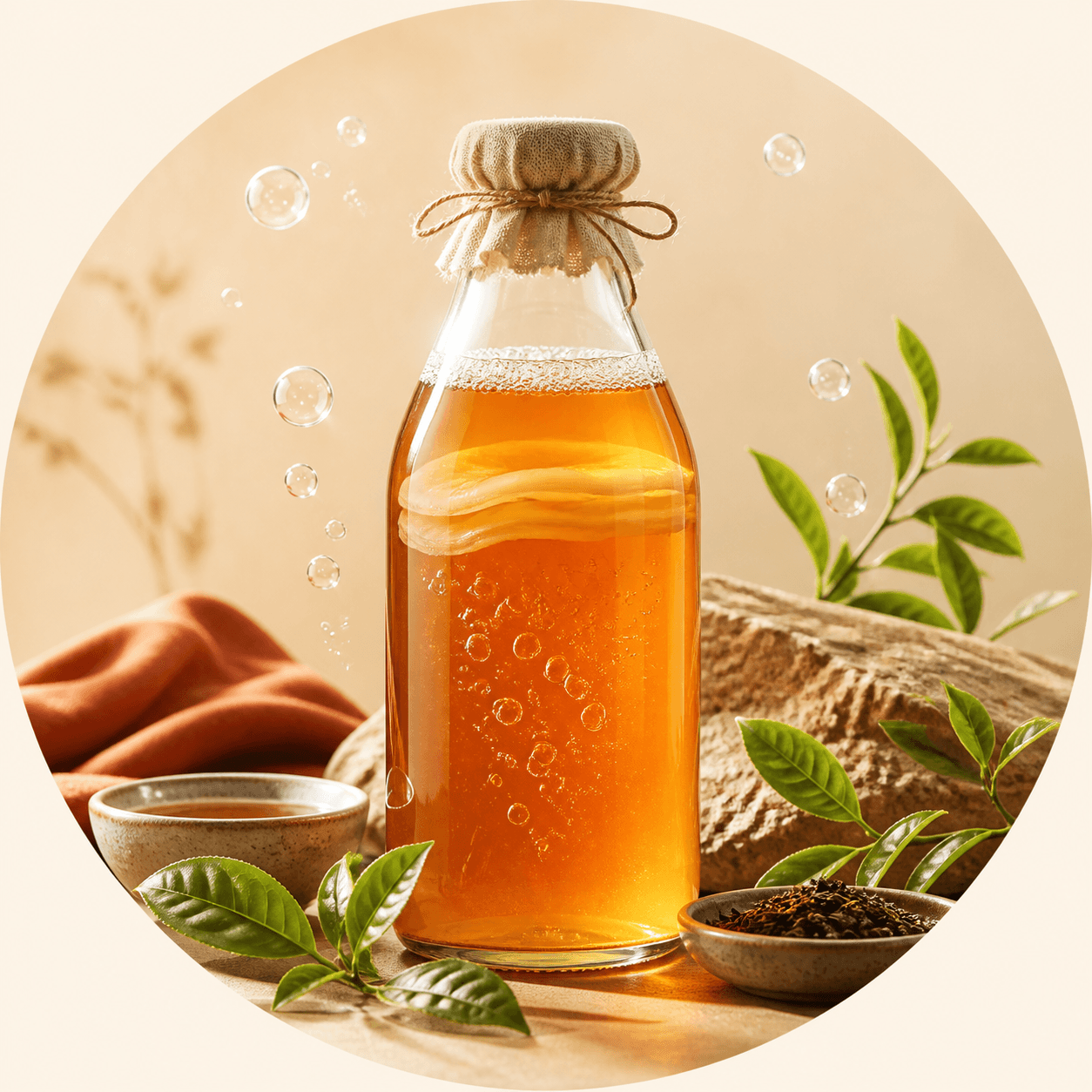
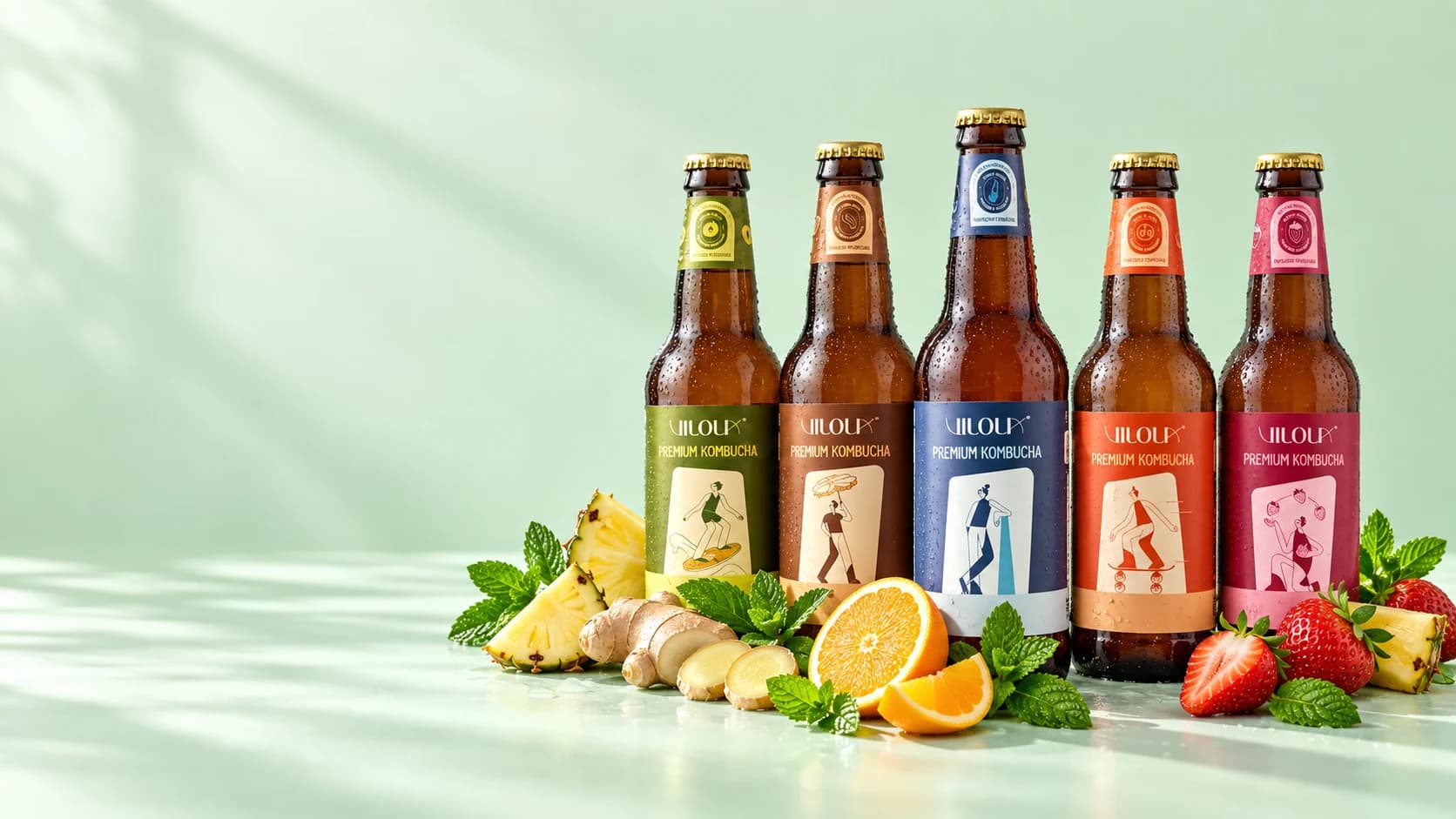
Spring brings a burst of fresh flavors after winter's dormancy. As a brewer and tea enthusiast, I eagerly await this season—not just for the warmer weather, but for the incredible array of botanicals, herbs, and fruits that inspire our most delicate and refreshing kombuchas.
Here's your guide to spring ingredients that elevate kombucha from good to extraordinary.
Why Seasonal Matters
Before diving into specific ingredients, let's discuss why brewing seasonally makes sense:
Peak Flavor: Ingredients harvested in season are fresher, more aromatic, and more flavorful. A strawberry in June tastes fundamentally different from a strawberry in January.
Nutritional Density: Seasonal produce hasn't traveled thousands of miles or sat in cold storage for months. Vitamins, minerals, and beneficial compounds remain intact.
Environmental Impact: Seasonal, local ingredients reduce transportation emissions and support regional farmers.
Natural Rhythm: Seasonal brewing connects you to agricultural cycles and local food systems. It's mindful sourcing that honors where your food comes from.
Early Spring: Delicate and Floral
Elderflower (April-May)
These tiny, creamy-white flowers herald spring across Europe and North America. Their flavor is delicate, floral, and slightly sweet with notes of lychee and pear.
How to Use: - Harvest or purchase fresh elderflowers - Use 1-2 tablespoons per gallon during second fermentation - Steep for 24-48 hours, then strain - Works beautifully with green or white tea base
Pairing: Combine with lemon for a classic British combination, or try with fresh mint for complexity.
Pro Tip: If using wild-harvested elderflowers, shake them gently before use to remove insects, but don't wash—much of the flavor compounds are in the pollen.
Lilac (May)
Underrated and overlooked, lilac blossoms offer an intensely floral, almost grape-like flavor that's surprisingly delicious in kombucha.
How to Use: - Use only the small individual flowers (remove from stem) - 1-2 tablespoons per gallon - Steep 12-24 hours maximum—longer can become soapy - Pairs well with white tea base
Pairing: Lilac + lemon is magical. Add a hint of honey for balance.
Caution: Use only true lilac (Syringa), not other plants commonly called "lilac."
Cherry Blossom (April)
While more common in Asian brewing traditions, cherry blossoms (sakura) create a delicate, subtly sweet kombucha with beautiful pink hues.
How to Use: - Use food-grade salted cherry blossoms (rinse before use) - 1 tablespoon per gallon - Steep 24-48 hours - Works with green or white tea
Cultural Note: In Japan, sakura-flavored foods and drinks celebrate hanami (cherry blossom viewing season). Bringing this tradition to kombucha feels appropriate.
Mid-Spring: Herbs and Greens
Fresh Mint (May-June)
Spring mint is tender, vibrant, and intensely aromatic. Unlike summer mint, which can be tough, spring mint offers pure, sweet flavor.
How to Use: - Use fresh leaves, not dried - 1/4 cup per gallon, bruised slightly - Steep 24-36 hours - Combines well with any tea base
Variations: - Mint + strawberry = classic combination - Mint + cucumber = ultra-refreshing - Mint + lemon + ginger = digestive powerhouse
Growing Tip: Mint grows aggressively. One plant provides enough for brewing all season. Plant in containers to prevent garden takeover.
Lemon Balm (April-June)
A member of the mint family, lemon balm offers gentle citrus notes without acidity. Its calming properties make it ideal for evening kombucha.
How to Use: - Fresh leaves, roughly torn - 1/4 cup per gallon - Steep 24-48 hours - Excellent with green tea base
Health Benefits: Traditionally used to reduce anxiety and promote sleep. The compounds remain present in fermented tea.
Pairing: Lemon balm + chamomile = the ultimate relaxation brew.
Nettle (March-May)
Young spring nettles are a nutritional powerhouse: vitamins A, C, K, iron, calcium, and chlorophyll. They create an earthy, minerally kombucha that's incredibly nourishing.
How to Use: - Use only young, tender tops (gloves required!) - 1/2 cup per gallon - Blanch first to remove sting, or steep directly and strain well - Best with black or oolong tea base
Foraging Note: Nettles are abundant in disturbed soils, forest edges, and gardens. Harvest before flowering for best flavor.
Dandelion (April-June)
Yes, that "weed" in your lawn is edible, nutritious, and delicious. Young dandelion greens and flowers both work in kombucha.
How to Use: - Young leaves or flower petals - 1/4 cup per gallon - Steep 24 hours (longer can become bitter) - Works with black tea to balance bitterness
Why Dandelion: Rich in vitamins A, C, K, and potassium. Traditionally used to support liver function.
Late Spring: Fruits and Berries
Strawberries (May-June)
Local, peak-season strawberries are incomparably sweet and aromatic. This is the time to brew strawberry kombucha.
How to Use: - Slice fresh strawberries - 1 cup per gallon - Steep 3-5 days for maximum flavor - Pairs with black, green, or white tea
Pro Tips: - Slightly underripe strawberries create better balance (less sweet) - Mash some berries to release more flavor - Combine with basil for sophistication
Fermentation Note: Strawberries add significant sugar. Monitor carbonation carefully to avoid over-pressure.
Rhubarb (April-June)
Rhubarb's tart, almost sour flavor complements kombucha's natural acidity beautifully. The result is bright, complex, and deeply refreshing.
How to Use: - Chop stalks (discard leaves—they're toxic) - 1 cup per gallon - Add 1-2 tablespoons sugar to balance tartness - Steep 3-5 days - Best with black tea base
Pairing: Rhubarb + strawberry is classic for good reason. The combination balances tart and sweet perfectly.
Apricot (Late May-June)
When apricots ripen, they're fleeting and precious. Capture that moment in kombucha.
How to Use: - Slice or dice fresh apricots - 1 cup per gallon - Steep 3-5 days - Works beautifully with white or oolong tea
Flavor Profile: Stone fruit sweetness, floral notes, subtle tartness.
Pairing: Apricot + ginger + vanilla = elegant complexity.
Combining Spring Ingredients
The magic happens when you layer flavors. Here are tested combinations:
Spring Meadow - Elderflower + lemon + mint - Delicate, refreshing, perfect for afternoon
Berry Patch - Strawberry + rhubarb + basil - Sweet-tart balance with herbal depth
Garden Morning - Nettle + mint + lemon balm - Nourishing, calming, green goodness
Floral Blush - Cherry blossom + apricot + vanilla - Elegant, subtly sweet, sophisticated
Sourcing Spring Ingredients
Wild Foraging
Many spring botanicals—elderflower, nettle, dandelion—grow wild. If foraging: - Identify plants with 100% certainty - Harvest away from roadsides (pollution) - Take only what you need, leaving plenty for wildlife - Thank the plant (yes, really)Farmers Markets
Peak-season produce at farmers markets is fresher and often cheaper than grocery stores. Build relationships with vendors; they'll alert you when special items arrive.Growing Your Own
Even a small space supports herbs like mint, lemon balm, and chamomile. The investment pays off in free, organic ingredients.Brewing Tips for Spring Kombuchas
Lighter Base: Spring ingredients shine with green or white tea bases. Their delicate flavors get lost in heavy black tea.
Shorter Steeps: Fresh, delicate ingredients release flavor quickly. Over-steeping can create muddy, vegetal notes.
Lower F2 Temperature: Spring kombuchas benefit from cooler second fermentation (65-70°F) to preserve delicate aromatics.
Strain Well: Fresh ingredients can create sediment. Strain through cheesecloth before bottling for clarity.
Serve Cold: Spring flavors taste best well-chilled. Serve over ice with fresh garnish.
The Seasonal Mindset
Brewing seasonally requires a different approach than year-round production. You can't make strawberry-rhubarb kombucha in November (well, you can, but it won't be the same). This limitation is actually liberating.
When strawberry season ends, you don't mourn—you anticipate next year. Meanwhile, you discover what summer, fall, and winter offer. Each season becomes its own chapter in your brewing practice.
This is the opposite of modern food culture's demand for everything, always. Seasonal brewing is a quiet rebellion: a choice to align with natural rhythms rather than industrial convenience.
Preservation for Year-Round Use
Want spring flavors in December? Some ingredients preserve well:
Freezing: Strawberries, rhubarb, apricots freeze beautifully. Spread on a sheet pan, freeze, then bag.
Drying: Mint, lemon balm, nettles dry well in a dehydrator or hung in bunches.
Cordials: Make concentrated elderflower or rhubarb cordials. They keep months in the fridge and add to kombucha anytime.
Conclusion
Spring is renewal—not just in nature, but in your brewing practice. After winter's heavier flavors (think spiced ciders and root vegetables), spring invites lightness, delicacy, and fresh beginnings.
The ingredients in this guide are starting points. Your region has unique spring offerings. The best brewing inspiration comes from walking through a spring garden, farmers market, or forest and asking: "What wants to become kombucha?"
Listen to the season. It will tell you.
*Happy spring brewing from Vilola.*